

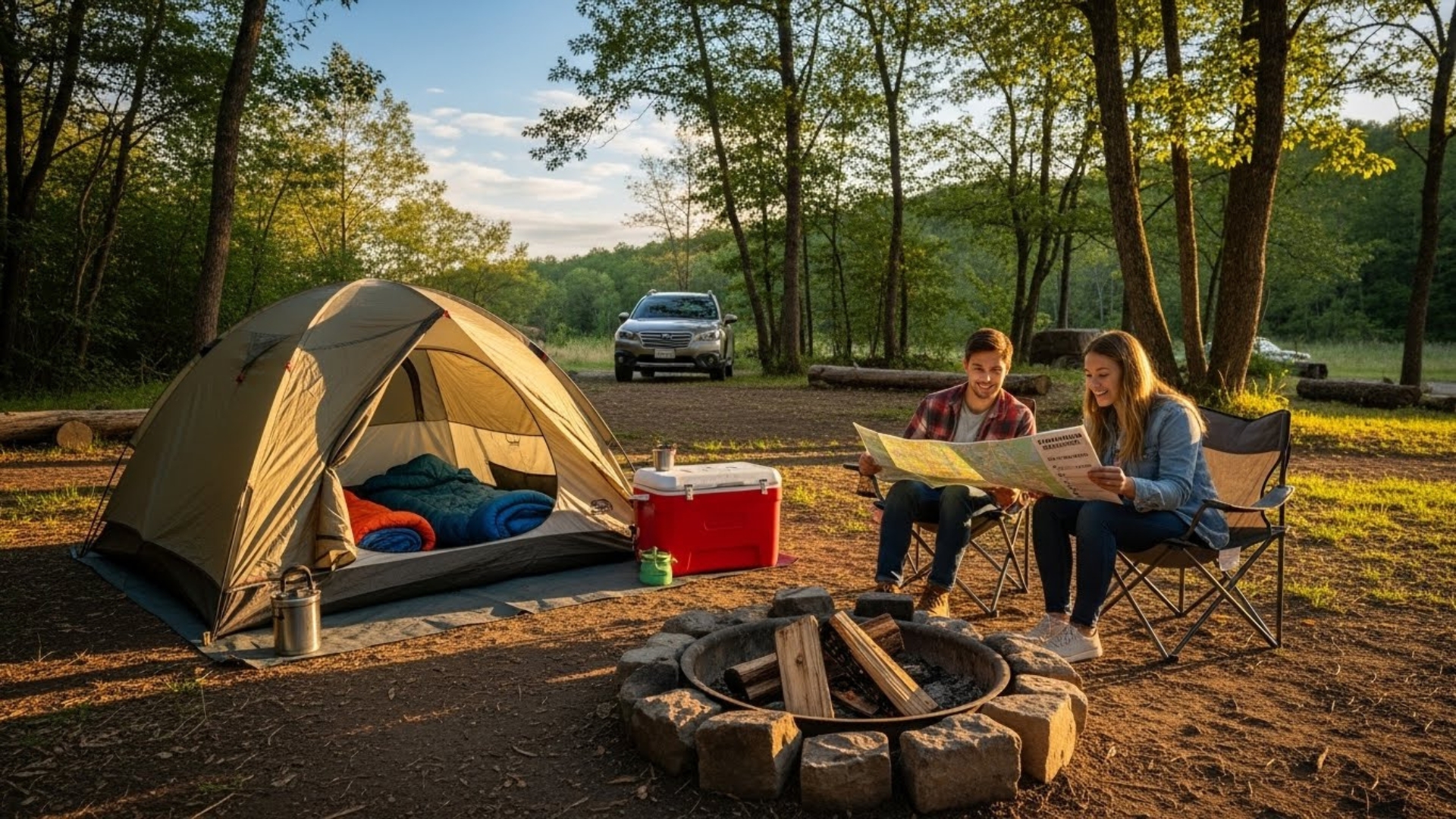
Camping For Beginners: Exclusive Guide
Camping is a beautiful way to get outside and become more in tune with nature. In this post, we’ll go through the fundamentals of camping for beginners, including the equipment you’ll need, where to set up camp, and helpful hints for remaining secure and comfortable while taking in nature. We have everything you need to know to start camping, whether planning a weekend getaway or a longer journey.
Table of Contents
Things to consider about camping for beginners
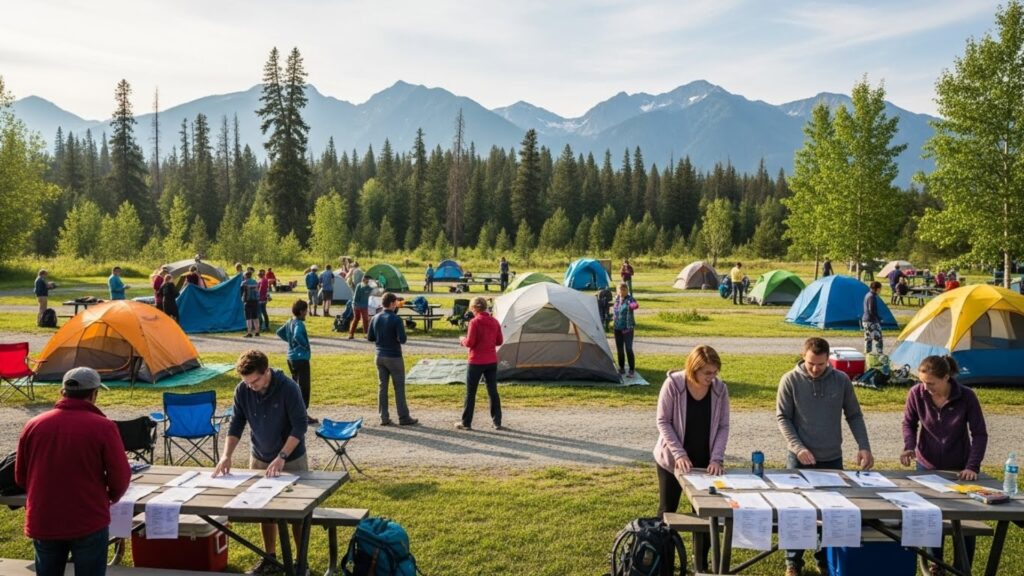
Choosing the right gear
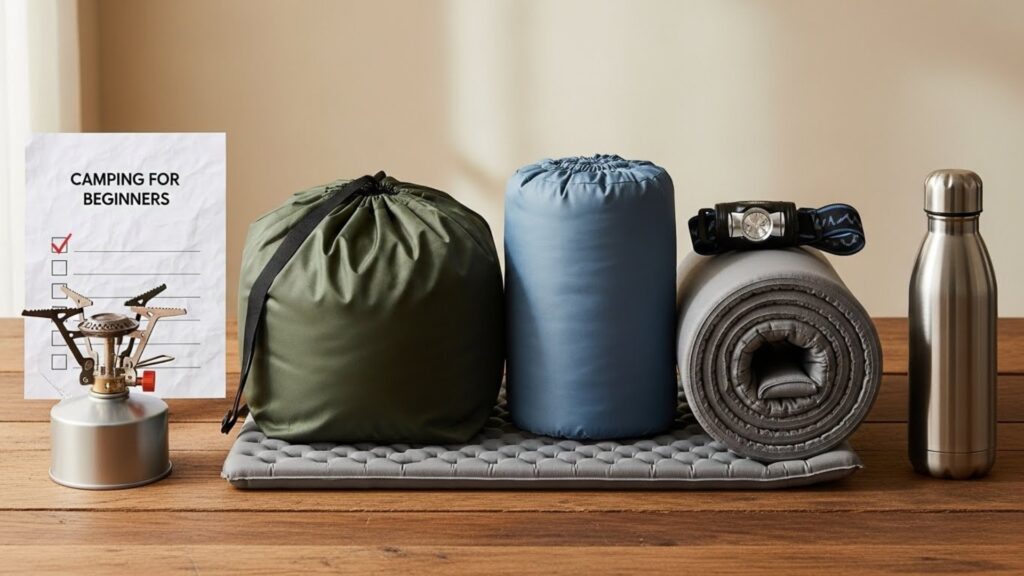
Choosing the right gear can be overwhelming if you’re new to camping. There are many options; knowing what you need and what’s worth spending your money on can be difficult.
● Tent
Your tent is home away from home during camping, so choosing one to meet your needs is essential. Consider the size, weight, and ease of set-up. If you’re car camping, a giant tent may be more comfortable, but a smaller, lighter tent is essential if you’re backpacking. Look for a tent that’s easy to set up and take down, and ensure it’s waterproof in case of rain.
● Sleeping bag
A good sleeping bag will keep you warm and comfortable at night. Look for one rated for the temperatures you expect to encounter, and pay attention to the shape and size.
● Sleeping pad
It provides insulation from the ground and adds cushioning for a more comfortable sleep. Look for one that’s lightweight and easy to pack but provides enough padding for your needs.
Finding a campsite
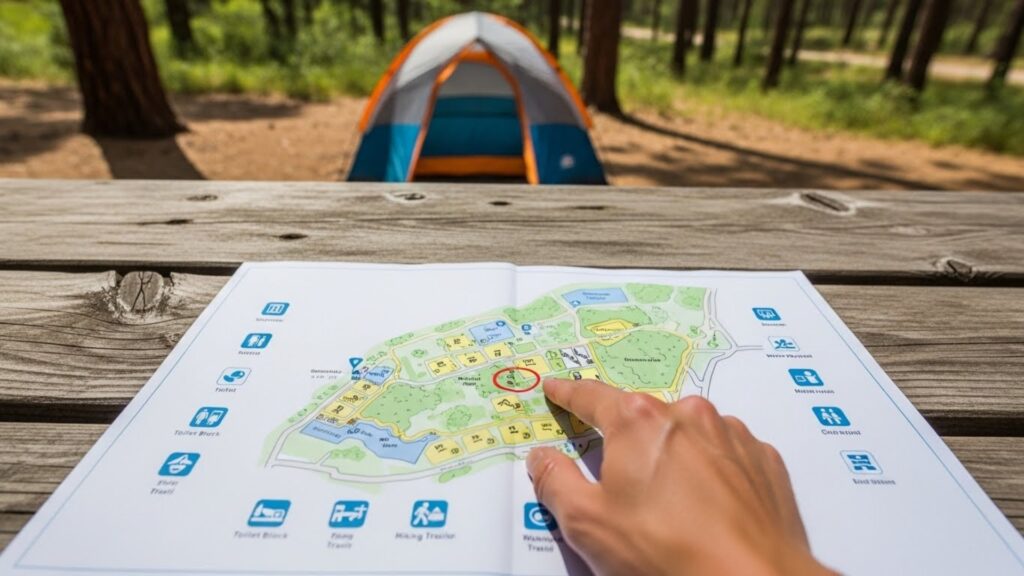
Camping can be a joyous and rewarding experience, but finding a good campsite is critical to a successful trip. There are considerable things to consider when selecting a camp:
● Safety
Look for a campsite that is well-maintained and has clear boundaries. Avoid areas with hazardous terrain or nearby wildlife that could pose a threat.
● Amenities
These are important to you, such as toilets, running water, and fire pits. Some campsites may also offer picnic tables, grills, and electrical hookups.
● Proximity to activities
If you plan to go hiking, fishing, or participate in other outdoor activities, choose a campsite near the action you want to do.
Setting up camp
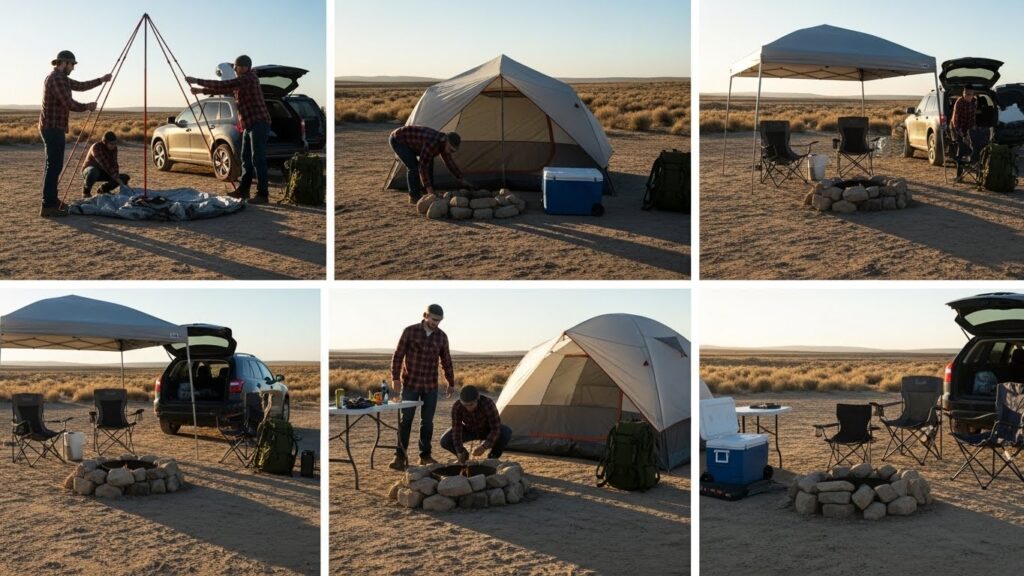
Camping is a great path to escape city life’s hustle and enjoy nature’s beauty. But for beginners, setting up camp can seem daunting. Here are some simple steps to follow once you arrive at your campsite.
● Choose a spot
Look for a flat, level area with no rocks, sticks, or other sharp objects which could damage your tent. Ensure it’s not too close to a body of water or a cliff.
● Pitch your tent
Lay out your tent and assemble the poles according to the instructions. Then, stake the tent’s corners into the ground and attach the rainfly if necessary. Make sure the tent is taut and secure.
● Build a fire
Choose a fire ring or designated fire pit, and clear away any debris or flammable material around it. Gather dry wood, kindling, and newspaper to start the fire. Arrange the wood in a teepee shape and light the paper.
● Organize your gear
Use a tarp or groundsheet to keep your gear clean and dry. Keep your food in a cooler or bear-resistant container, and store it away from your tent. Hang your lantern or flashlight from the tent’s ceiling, and keep your sleeping bag and pad within easy reach.
Meal planning and cooking
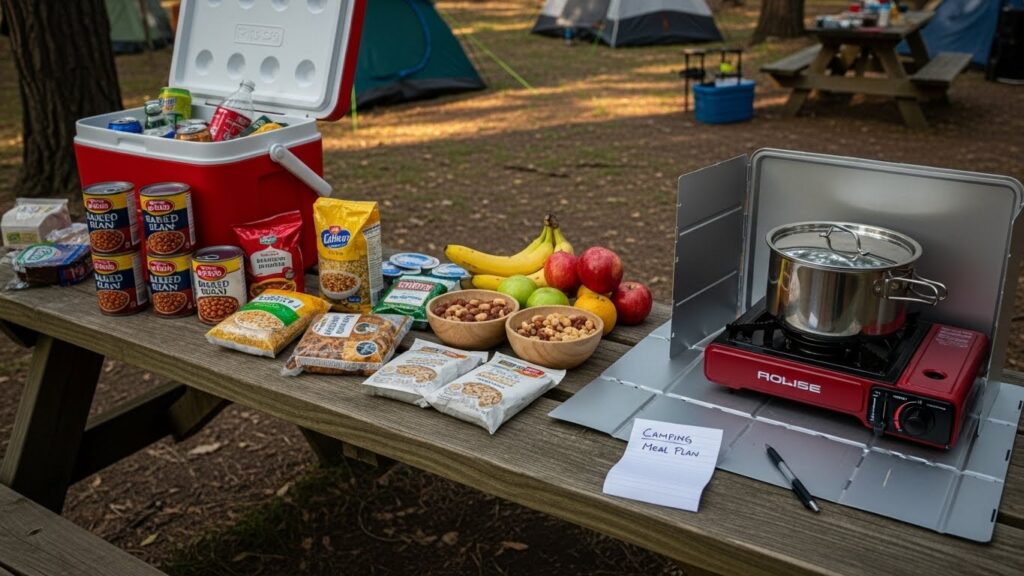
Camping is a great outdoor activity that anyone can enjoy. Planning and preparing for your trip can be overwhelming if you are a beginner. One important aspect of camping is meal planning and cooking. You want to ensure you have enough food that is easy to prepare and delicious.
When selecting camping foods, it’s best to choose items that are non-perishable and can be easily stored. Canned foods, such as beans, vegetables, and soup, are a great option. They can be heated up quickly over a campfire or portable stove. Dried fruits, nuts, and jerky are also good choices for snacks.
For breakfast, you can’t go wrong with oatmeal or cereal. They are effortless to make and can be mixed with powdered milk and water for a hearty and nutritious meal. Eggs are another great option and can be cooked in a skillet over a campfire or portable stove.
Lunch can be as simple as sandwiches. Bring some bread, peanut butter and jelly, and deli meat and cheese. Wraps are also a good option, filling with vegetables and hummus.
For dinner, pre-packaged meals like dehydrated backpacking meals are a good option. They are lightweight, easy to pack, and come in various flavours. You can also bring instant rice, pasta, canned vegetables, or sauce for a more hearty meal. Don’t forget to bring some spices to add flavour to your dishes!
Staying safe in the wilderness
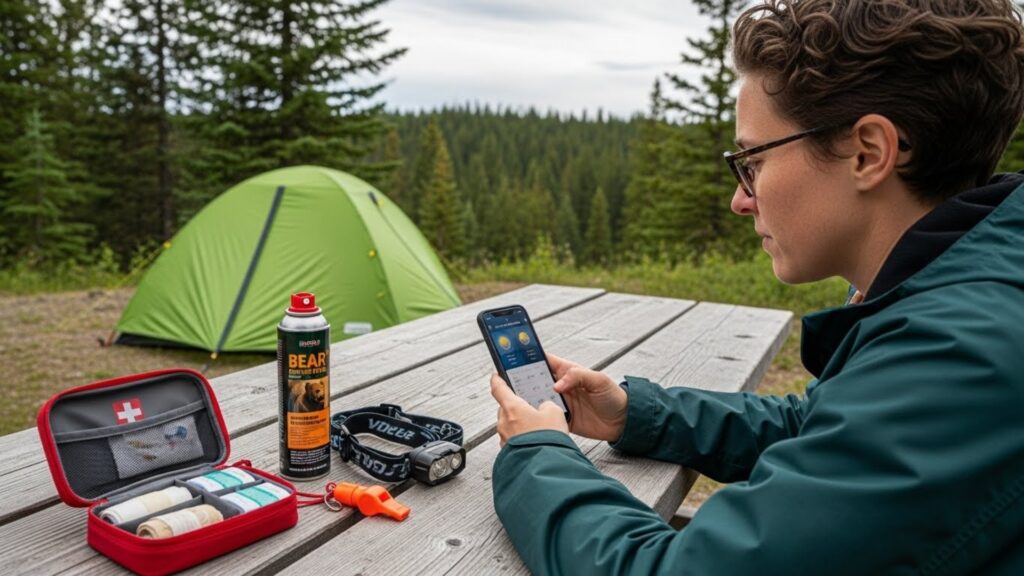
When camping, it’s essential to be aware of potential safety hazards in the wilderness. Some common concerns for beginners include wildlife encounters, weather hazards, and first aid.
To stay safe around wildlife:
- Keep a safe distance and don’t disturb their natural habitat.
- Don’t leave food or garbage out; it can attract animals to your campsite.
- Bring bear spray or other deterrents if you’re camping in an area with bears.
Weather hazards can include thunderstorms, high winds, and extreme temperatures. Seek the forecast before you go, and be ready for any weather conditions by bringing appropriate clothing and gear.
Leave No Trace principles.
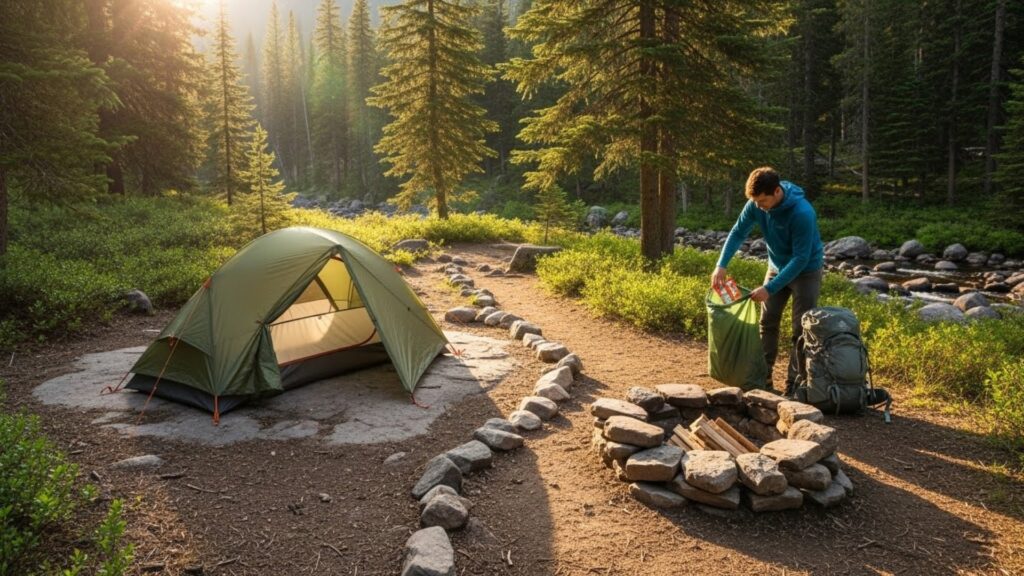
When camping, it’s important to minimize environmental impact by following the Leave No Trace principles. These principles include packing out your trash, respecting wildlife, and staying on designated trails.
To minimize your impact:
- Bring a trash bag and pack out all of your garbage.
- Don’t disturb or feed wildlife; avoid cutting down trees or damaging vegetation.
- Stay on designated trails.
Fun activities for camping
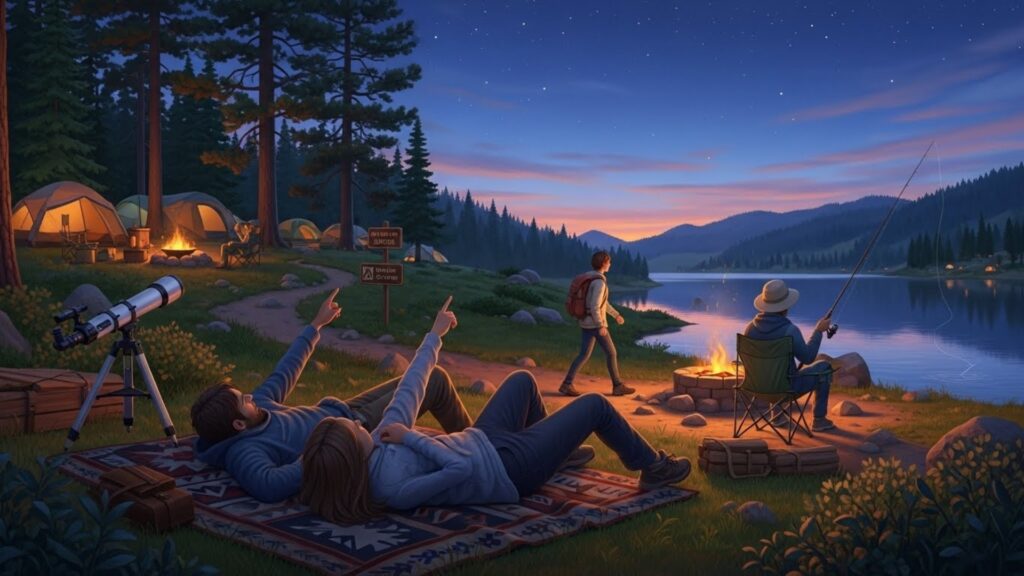
Camping is an excellent opportunity to explore the outdoors and try new activities. Some fun and engaging activities to do while camping includes hiking, fishing, and stargazing.
Hiking is an excellent way to explore the surrounding area and exercise. Make sure you have appropriate footwear and bring plenty of water.
Fishing can be a fun way to relax and enjoy the scenery. Check local regulations before fishing and ensure you have the necessary permits and gear.
Stargazing is a great way to enjoy the night sky and learn about astronomy. Bring a telescope or binoculars to closely examine the stars and constellations.
Tips for a successful trip
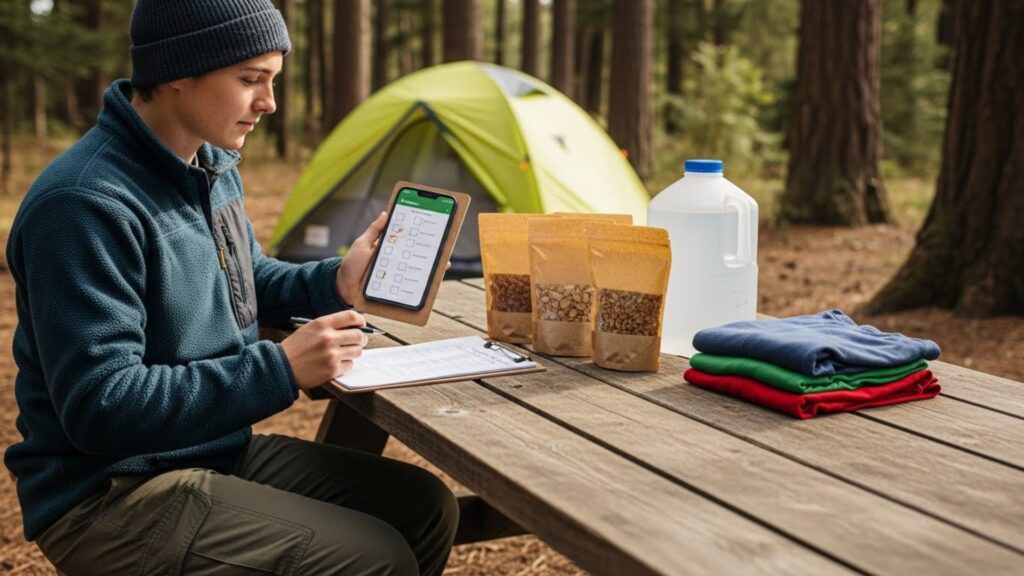
There are several tips to remember to make the most of your camping experience. Bring extra supplies, including food, water, and clothing. Dress properly for the weather and be prepared for any changes in conditions. Finally, be open to new experiences and enjoy the opportunity to disconnect from technology and the great outdoors.
Conclusion
With some planning and preparation, anyone can have a successful camping experience. Remember to choose the right gear and equipment, familiarize yourself with the camping site, and follow safety guidelines. Also, don’t forget to leave the campsite as you find it to preserve nature’s beauty. Whether you want to disconnect from technology or spend time with friends and family, camping is a great way to relax and recharge. So grab your gear, pick a destination, and prepare to create memories that will last a lifetime!
