




Backcountry camping is a thrilling outdoor activity for those who love to explore nature’s beauty. While in the bush, water is an essential resource for survival. You can only go very long with water. Where can you find water in the woods to camp there? Before entering the woods, every camper should know the answer to this question. The many water sources that backcountry campers regularly use will be examined in this article. We have compiled data from various sources to offer a thorough overview of the multiple methods for getting water when camping outdoors.
Table of Contents
Places Campers Usually Get Their Water In Backcountry Camping

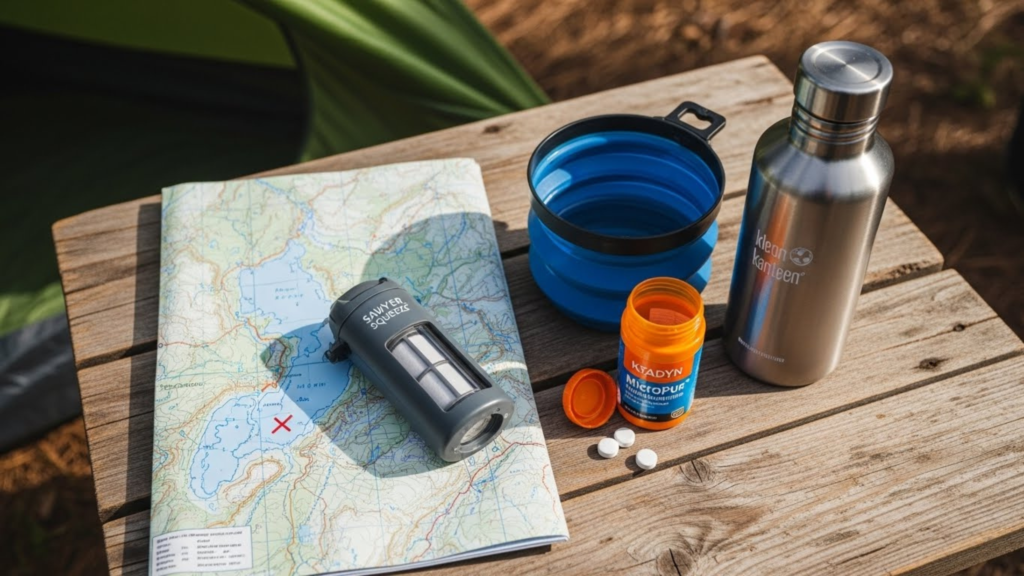
It’s important to understand How to Obtain Fresh Water When Camping.
Water Filtration Systems
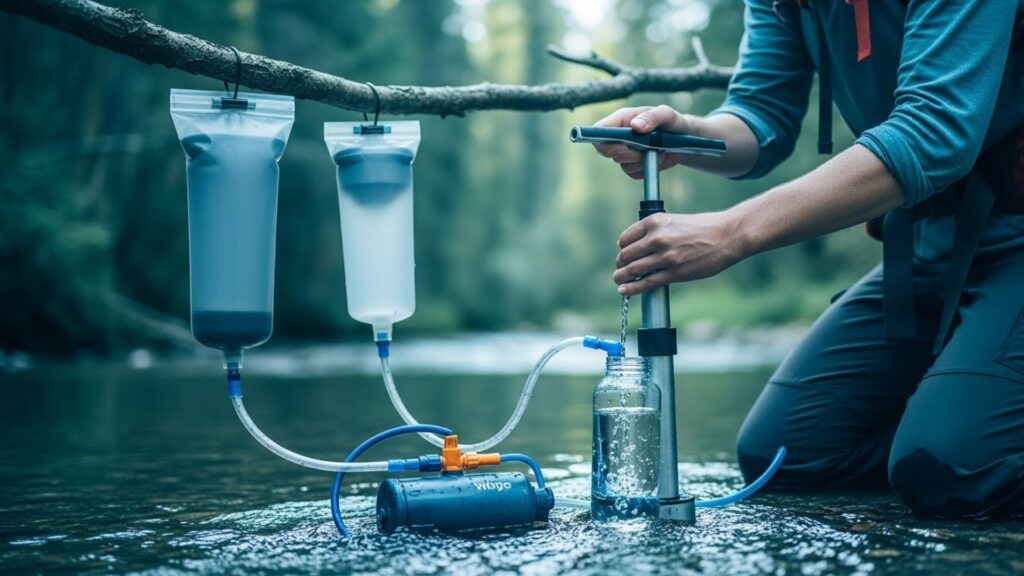
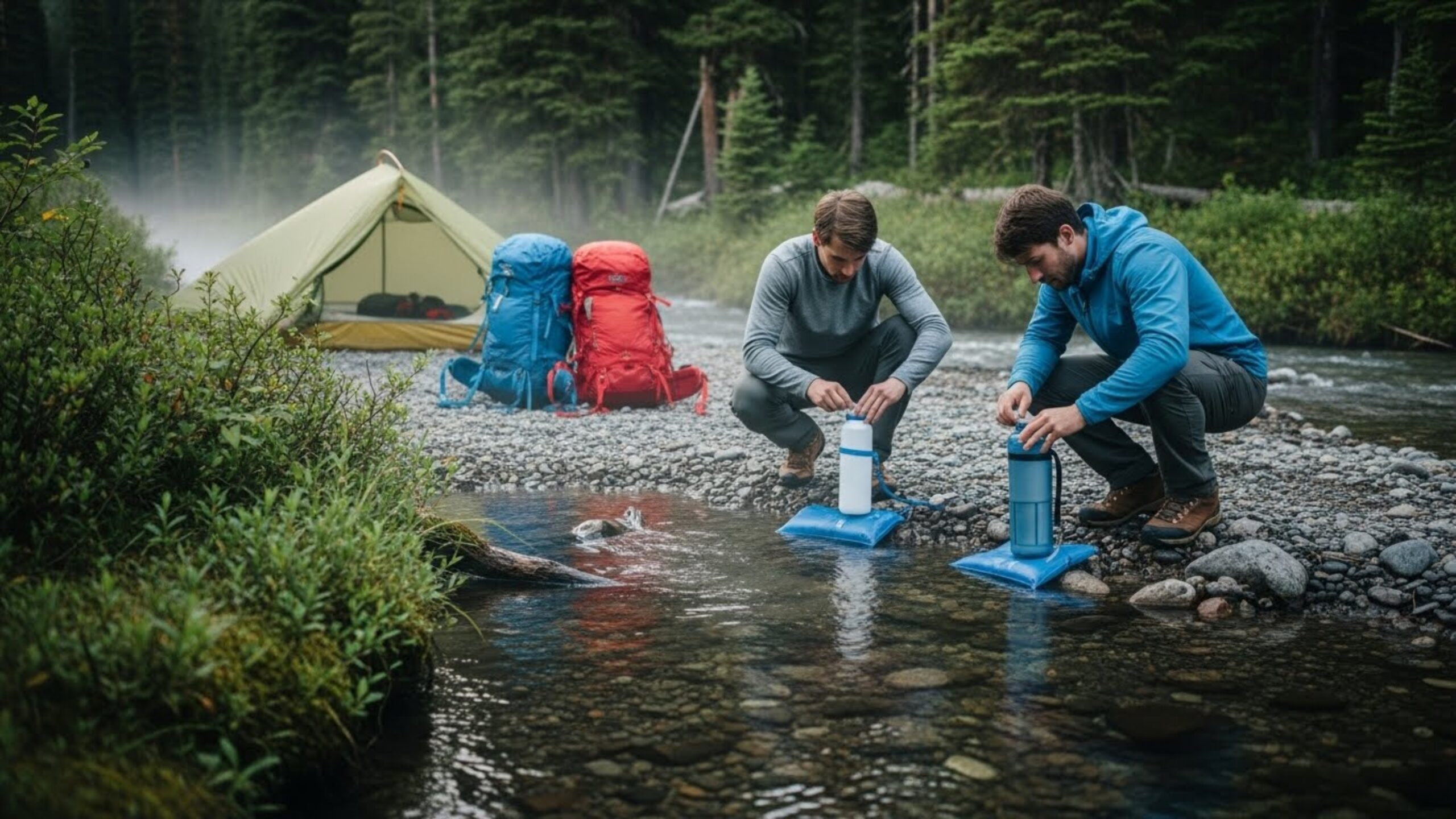
Using a water filtration system to purify water from rivers or lakes is one technique to obtain water while backcountry camping. These systems can range from simple hand-held filters to more complex gravity-fed systems.
Campers can clean water from rivers, lakes, and streams, as well as other natural sources, with the use of water filtering technologies. Depending on their simplicity, these devices range in complexity from hand-held filters to gravity-fed systems. Because they are portable and light, hand-held filters are simple to bring in a backpack.
These filters function by enclosing a physical barrier around the water to keep out bacteria, protozoa, and other dangerous impurities.
On the other hand, more complex gravity-fed systems use gravity to push water through a series of filters. These systems are usually larger and can filter larger quantities of water at once, making them ideal for group camping trips.
It’s crucial to realize that not all water filtration systems are created equal. Some are more effective at removing a wider variety of toxins, while some are just made to remove a specific kind of pollution.
You must ensure access to safe, clean drinking water while camping. To do this, thorough research is required before purchasing a high-quality, needs-specific water filtering system. When you use all that nature has to offer in terms of beauty and adventure, you won’t need to worry about the water’s purity.
Natural Water Sources
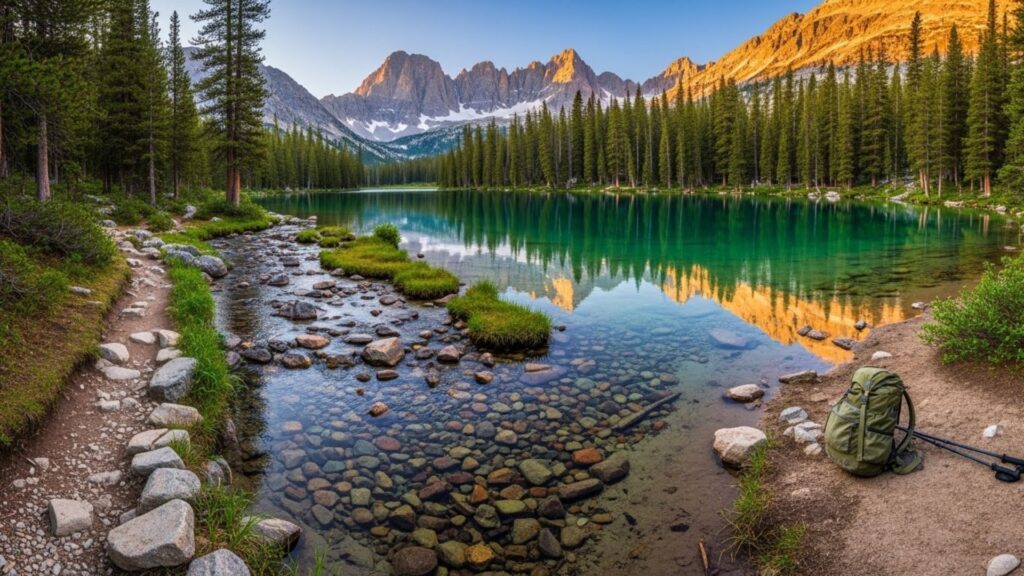
Backcountry campers frequently use natural water resources like streams, lakes, or springs. The water must be treated or filtered before consumption because these sources may contain dangerous germs.
Backcountry campers frequently obtain natural water from springs, lakes, or streams. The possibility that these sources could harbour harmful viruses and bacteria, such as those that cause water-borne illnesses like diarrhoea, cramps, and vomiting, must be understood. Water must be filtered or treated before consumption.
There are several methods that campers can use to filter or treat their water. Using a water filter is one of the most well-liked tactics. Water purifies all functions by eliminating pollutants and potentially dangerous bacteria from the water, even though there are various types and sizes of water filters. Gravity, pump, and straw filters are widely used water purifiers for backcountry camping.
Another method that campers can use to treat their water is to use water purification tablets or drops. These tablets or drops contain chemicals such as chlorine or iodine, which kill harmful microorganisms in the water. It is essential to follow the instructions on the package carefully when using these tablets or drops.
In addition to filtering or treating their water, campers should also protect the natural water sources they use. This includes avoiding contaminating the water with soap, food, or waste and disposing of waste properly.
Campers should be aware of any rules or recommendations for water usage in the region they are visiting. Therefore, while natural water sources can be a convenient and refreshing water supply for wilderness camping, it’s vital to take measures and clean the water before ingesting it to prevent getting sick.
Water Storage
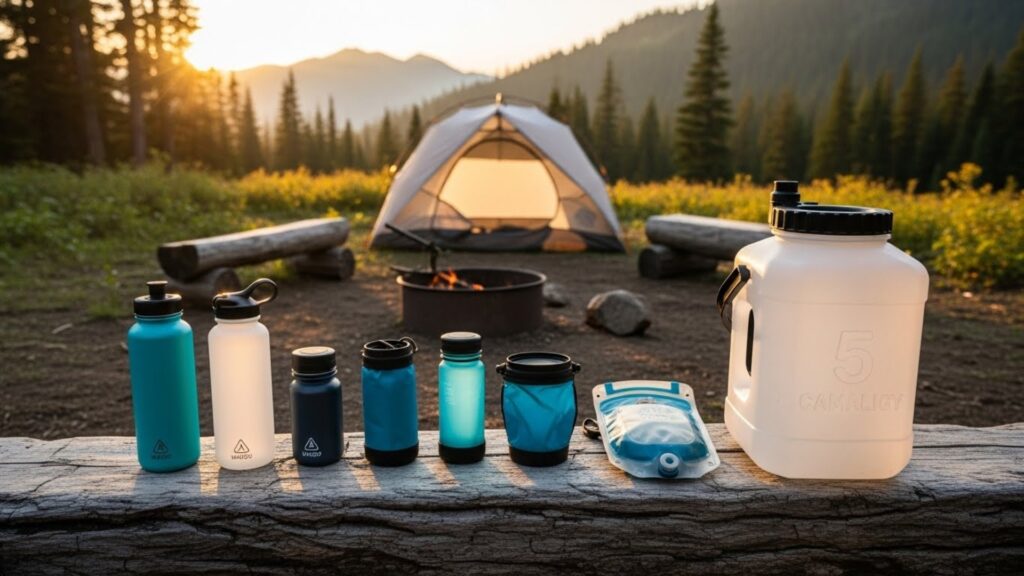
Water from natural sources can be brought to a campsite by campers in their water storage containers, such as water bottles or hydration bladders. These containers require thorough cleaning and sterilization both before and after use.
To survive backcountry camping, travellers frequently rely on natural water sources. That calls for the ability to transport water from these sources back to their campground. One method to do this is by using water storage containers like water bottles or hydration bladders. These containers are simple to fill with water from a lake or stream in the natural world.
To remove potential health concerns, these containers must be thoroughly cleaned and sterilized before and after use. Wash the items in hot, soapy water to accomplish this, and then sterilize them by removing any lingering germs or viruses with bleach or hydrogen peroxide.
In addition to bringing their water storage containers, campers can also get extra portable water tanks to make their trip last longer. This is especially useful for longer trips or larger groups of campers.
Conserving water is also essential when camping in the backcountry. Campers may guarantee they will have enough water for their vacation by being cautious of how much they consume while outside.
Campground Water Sources
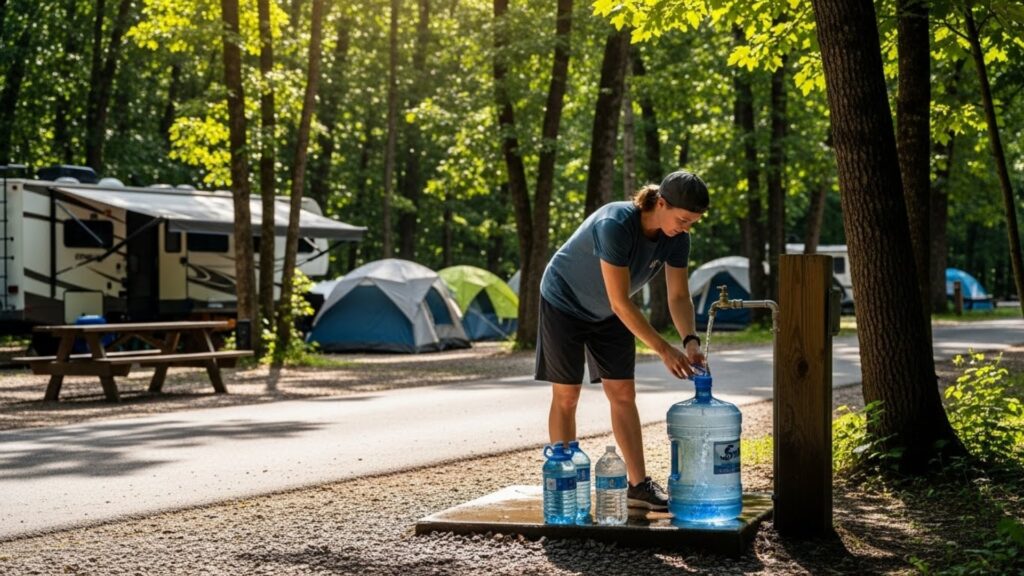
In the absence of backcountry camping, campers can stay at well-established campgrounds that offer water sources such as water fixtures or hand pumps. It’s essential to confirm the availability of water sources with the campground before arrival.
In the absence of backcountry camping, campers can stay at well-established campgrounds that offer water sources such as water fixtures or hand pumps. Most well-established campgrounds have potable water that has been treated and is secure for consumption. However, it’s essential to confirm the availability of water sources with the campground before arrival, as some may have seasonal water supply or maintenance issues.
Campground water sources can come in various forms, such as water fixtures, hand pumps, or even faucets in restroom buildings. Some campgrounds may also have a water fill-up station for RVs and trailers. Even if the water has been treated, pack a water filter or other purification equipment to drink from nearby natural sources like lakes or streams.
Conclusion
During a family camping vacation, having access to fresh water is crucial. Family camping, though, can quickly use up a lot of water.
The essential item you should bring is a 5-gallon drinking water container that is fully loaded.
Five litres should be sufficient for a brief one- or two-night journey. It won’t last very long if you have a large family or are simply stopping over for a few days.


