




How Do I Find A Good Wild Camping Spot?
Do you know how to find a good wild camping spot? You’ll likely love wilderness camping if you enjoy walking. Before going wild camping, it is necessary to be aware of it. Learn about wild camping in this article and advice on where to go camping. It is better to learn more about wild camping first.
Table of Contents
What Is Wild Camping?

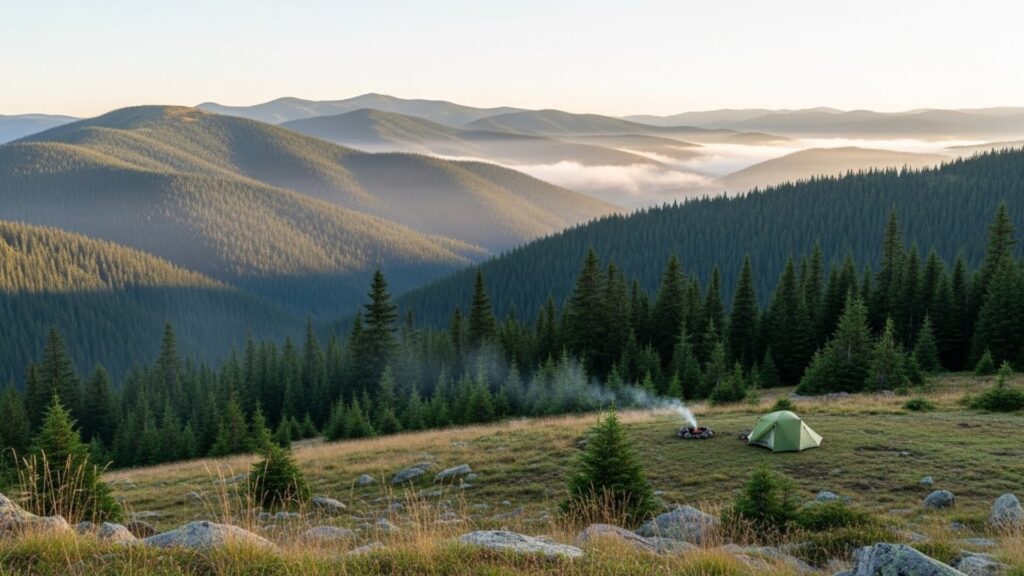
Wild camping is just camping in a jungle, forest, or another natural area away from home. Some nations allow this, whereas others do not. In some countries, camping is permitted only in some regions and prohibited in others. Before going wild camping, it’s necessary to learn more about it.
How Do I Find A Good Wild Camping Spot?
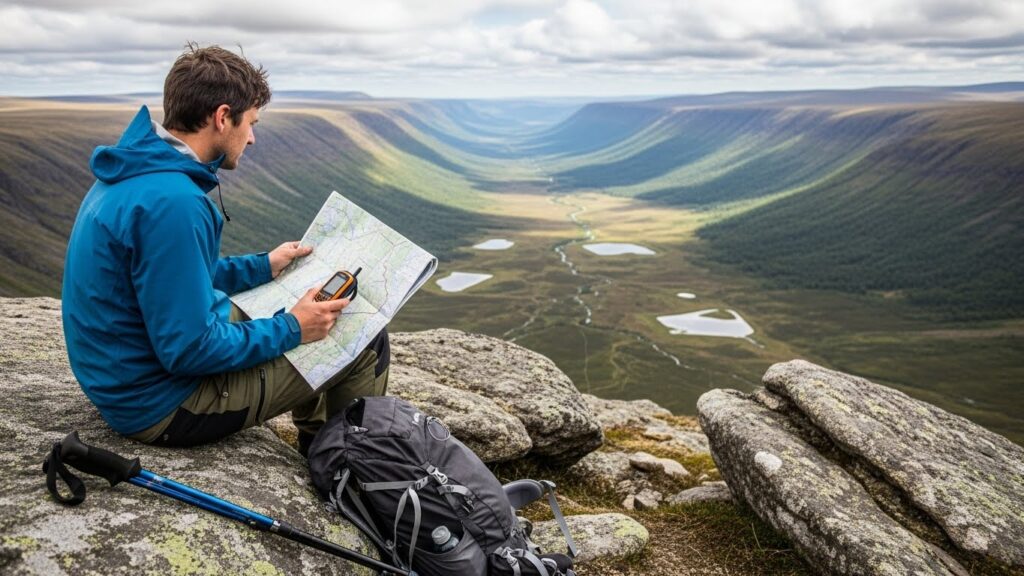
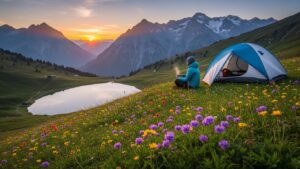
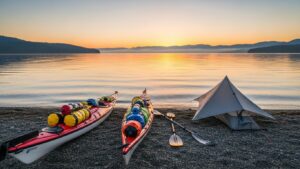
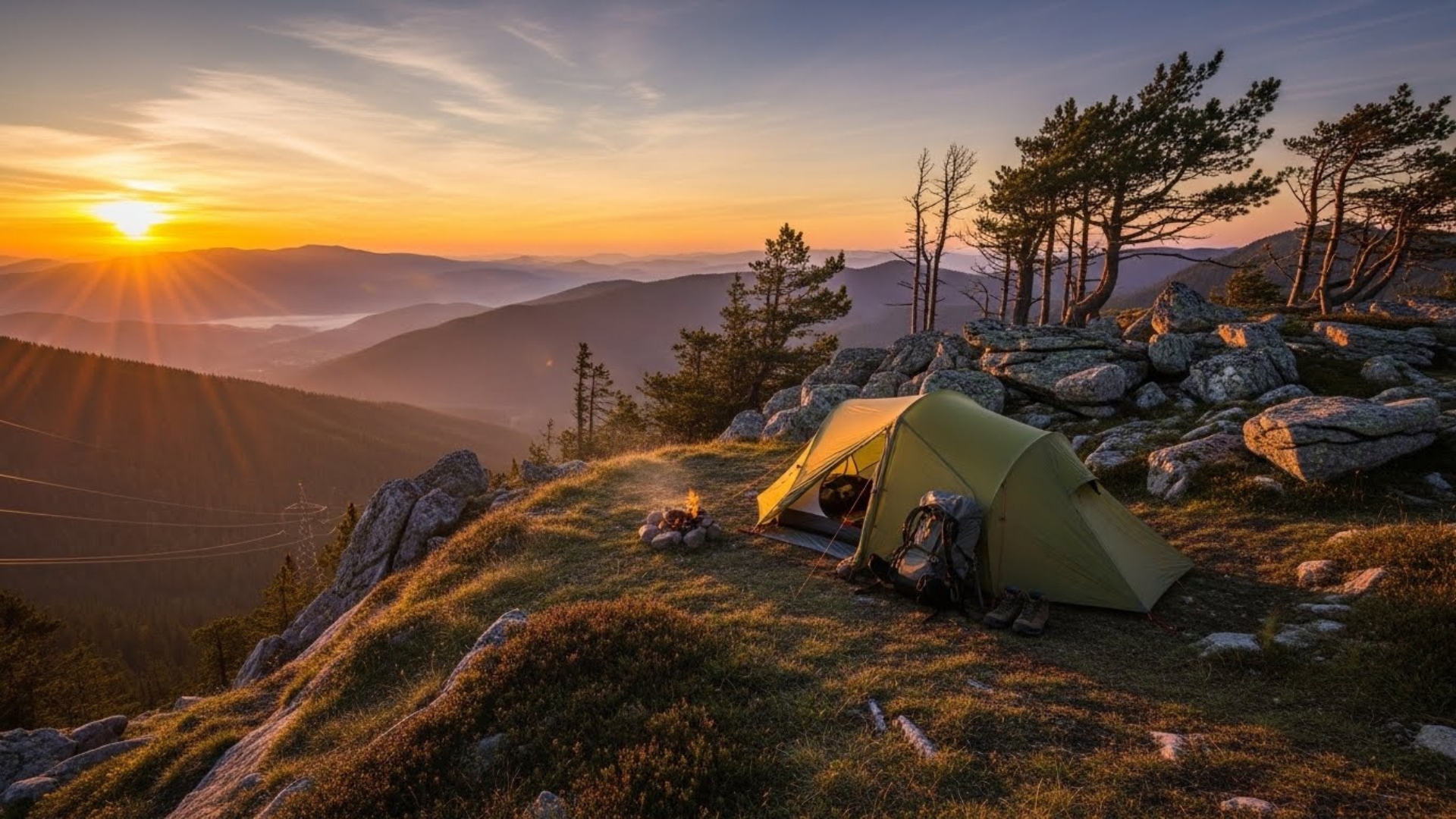
Wild camping doesn’t require a lot of distance travelled or time, money, or effort expended. There are countless alternatives for wild camping, from cliff-top views to crashing waves on the beach and forest canopies. Yet knowing how to choose a location can be helpful if you’re new to wild camping. So that you can go outside and start exploring, you feel more prepared.
Being a peaceful place
The area’s calm and quiet should be considered when looking for a nice, wild camping spot. After all, the whole point of wild camping is to get away from the hustle and bustle of everyday life and engage in quiet nature communication. So, how can you ensure that your chosen camping spot is peaceful? Here are several tips to keep in mind:
Research the area ahead of time.
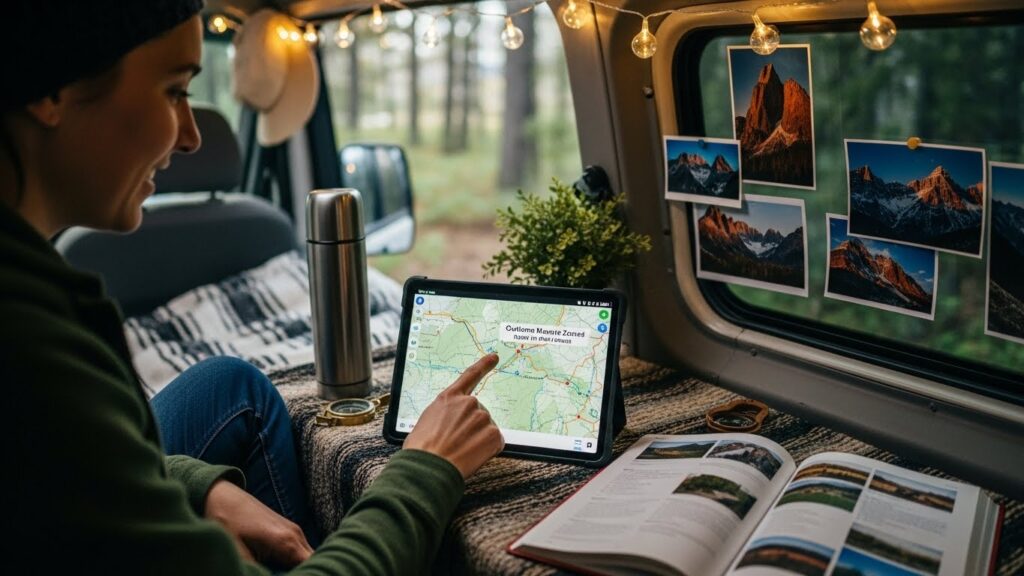
Do some study about the location where you intend to camp before you venture into the bush. Look for information on popular hiking trails or recreational areas, as these spots will likely be more crowded and noisy. Instead, look for a more remote location off the main road.
Listen for sounds of civilization.
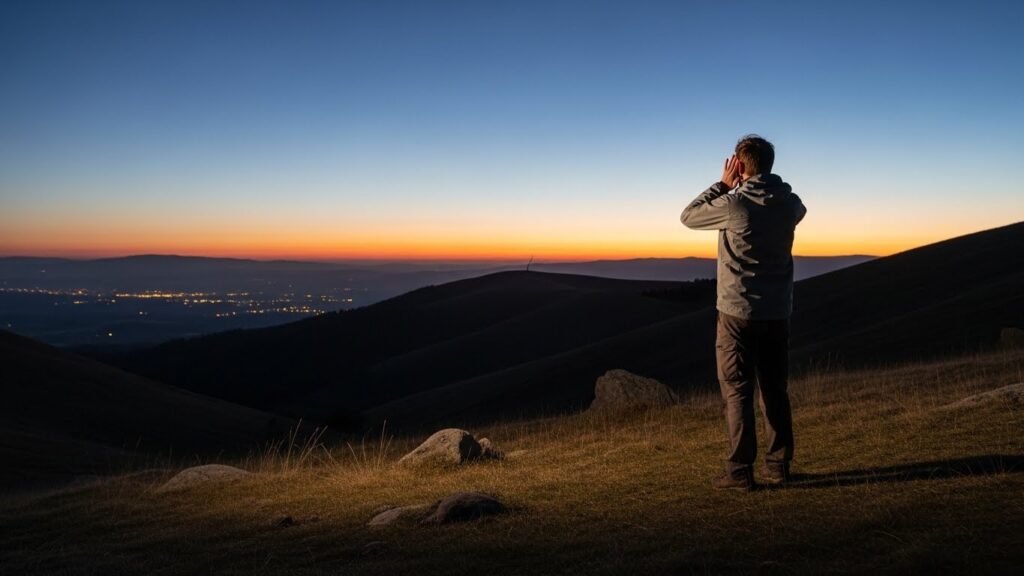
As you scout out potential camping spots, listen carefully for any sounds of civilization. This could include the hum of nearby highways or dogs barking in the distance. These sounds indicate that the place is probably not as quiet as you’d want.
Look for signs of wildlife.
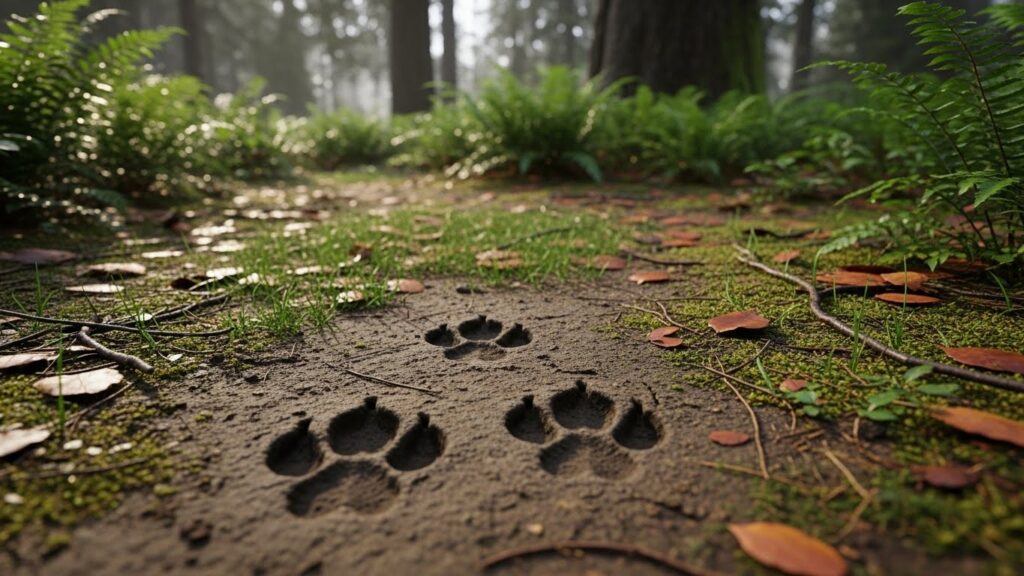
Although the sound of animals would seem annoying, it could be a sign that the area is still largely uninhabited by people. Search for signs of wildlife, such as tracks or droppings, and consider setting up camp nearby.
Check for camping restrictions.
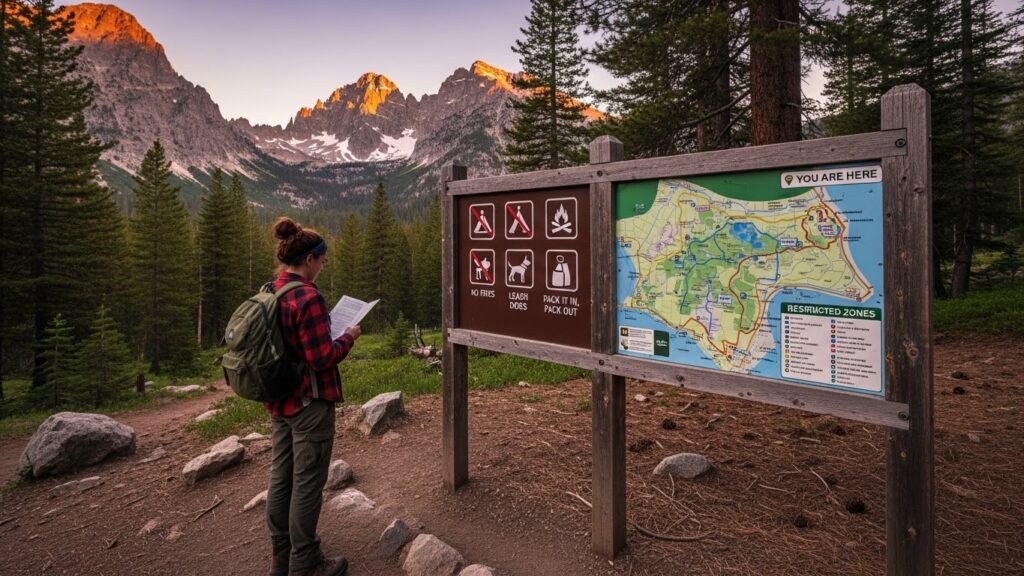
Finally, make careful to find out if there are any camping limitations in the region where you intend to camp. Some parks or nature reserves may have designated camping areas, while others may prohibit camping altogether. Following the rules can help ensure that the site remains peaceful and pristine for future visitors.
Check safety
Safety should be a top priority for a good wild camping spot. Here are a few tips to help you ensure your safety while camping in the wilderness:
Research the area
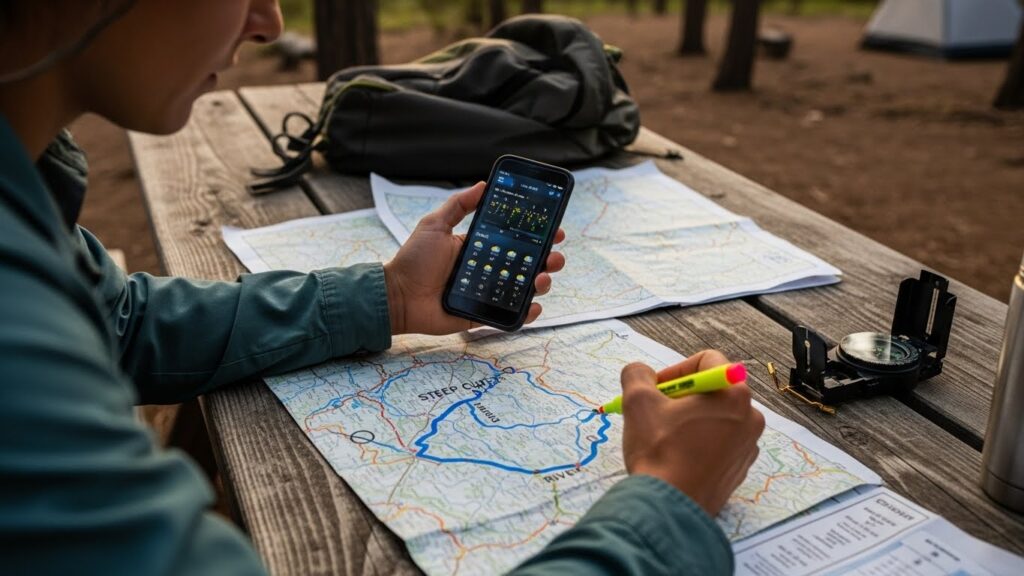
Before heading out:
- Research the area where you plan to camp.
- Check for recent safety incidents like animal attacks or extreme weather conditions.
- Look for any potential hazards, such as cliffs or poisonous plants.
Stay away from wildlife.
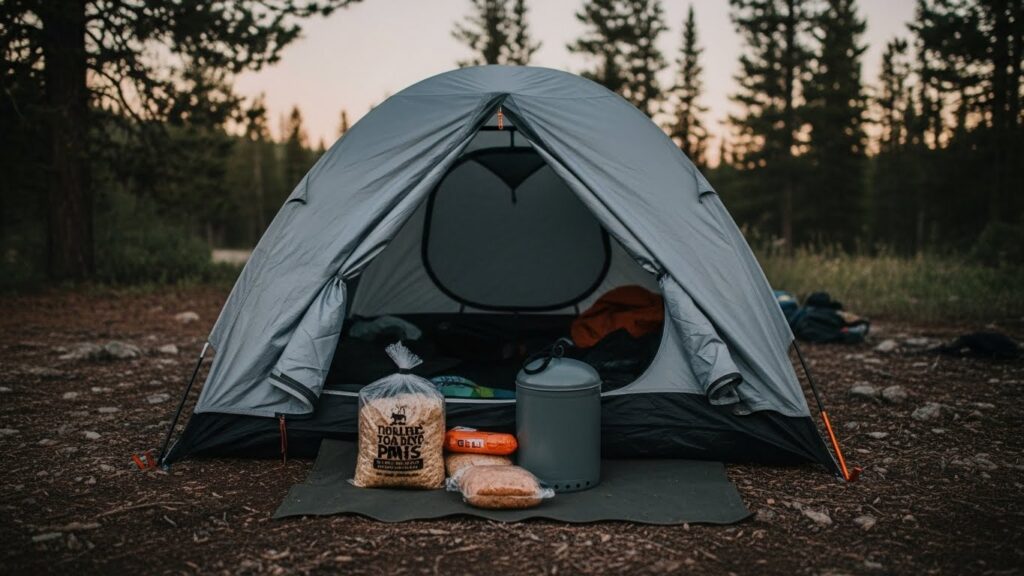
Although it can be thrilling to observe wildlife up close, it’s essential to keep your distance. Wild animals can be aggressive and erratic, especially if they sense that they are being threatened. Make sure to store your food and trash properly so you don’t attract any unwanted visitors.
Choose a flat and dry spot.
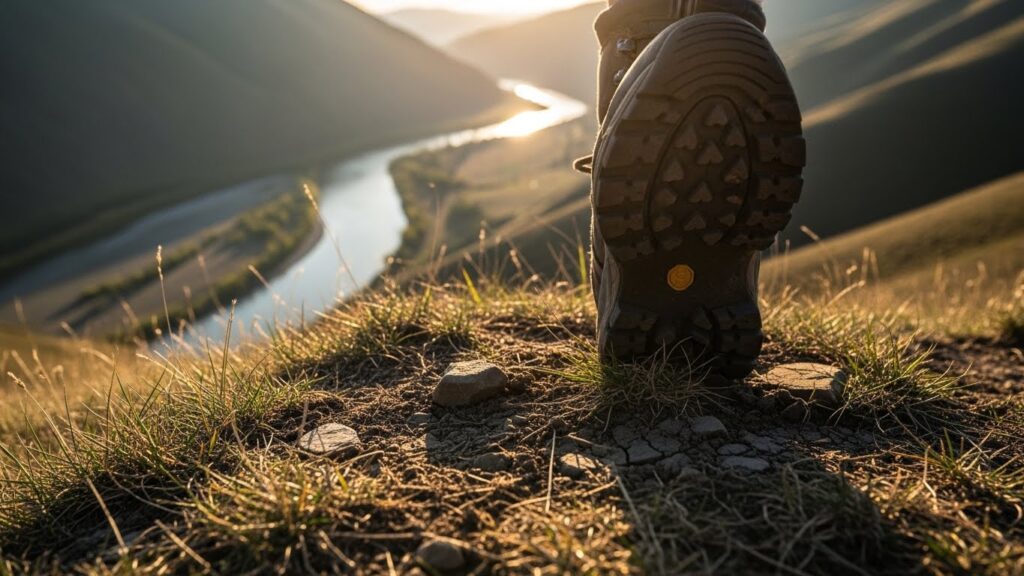
When selecting a camping spot, look for a flat and dry area. Avoid camping in low-lying locations or near rivers because these areas are more vulnerable to flooding. Make sure to clear the area of any rocks, sticks, or other objects that could harm the environment.
Check for signs of other campers.
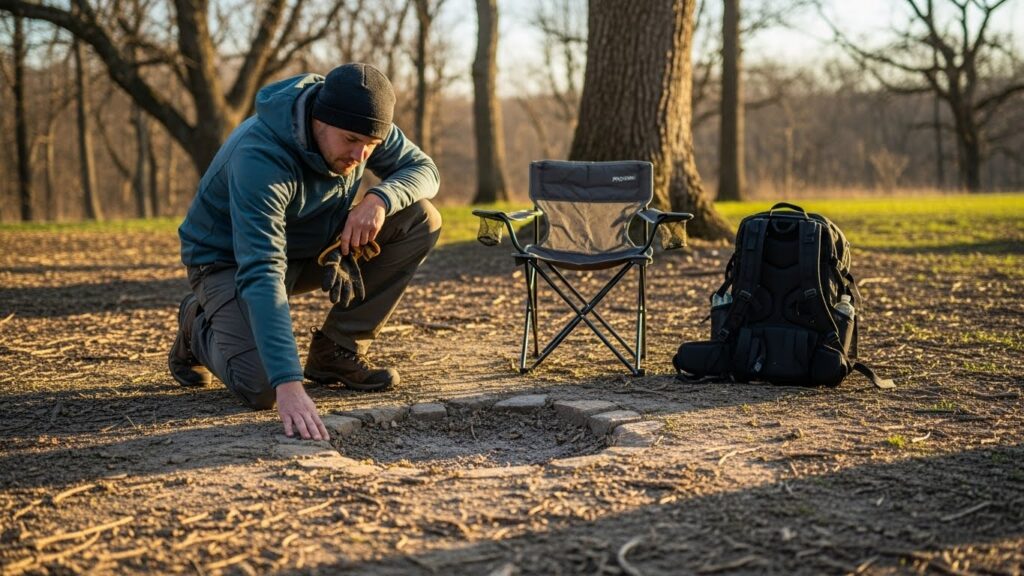
It’s a good indication that the place is safe for camping if there are fire rings or rubbish left behind by previous campers. If there are no indications of any other campers, it is preferable to go on and look for a more inhabited place to set up camp.
Follow Leave No Trace principles.
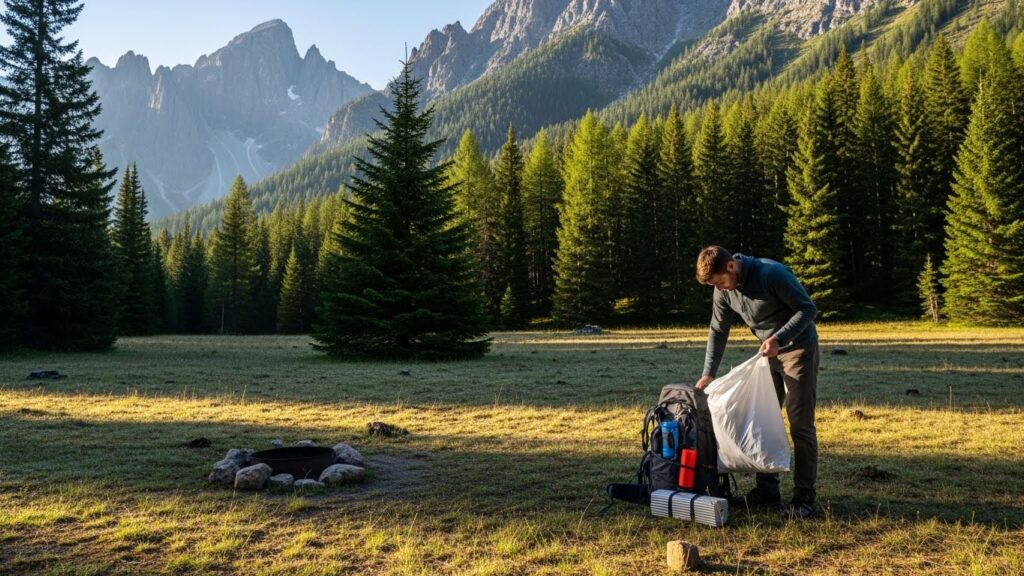
Leaving the wilderness area as you found it when camping there is crucial. Make sure to pack out all of your trash and leave no trace of your campsite. This will help to protect the area’s natural beauty and lessen the chance of accidents caused by litter and other waste.
See if it’s the kind of environment you want
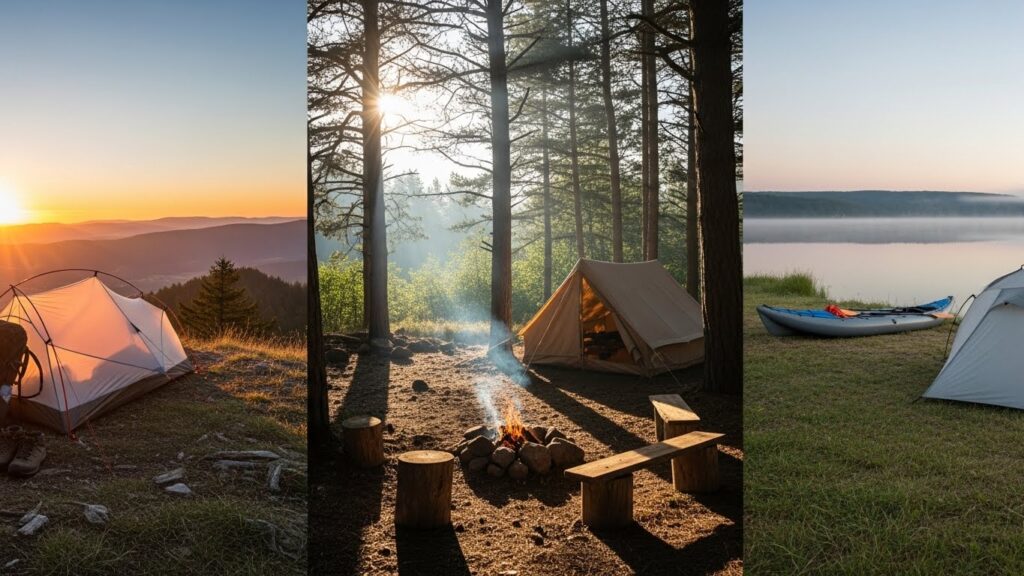
It’s crucial to think about the environment you want to camp in when looking for a proper wild camping location. What kind of environment do you prefer—quiet and remote or near a lake or river? Would you like to be somewhere more open to view the stars or surrounded by trees?
Research different areas online to find the perfect camping spot for your preferences. Before deciding where to set up camp:
- Explore each region on your list of probable sites.
- Look for signs of wildlife and assess the general safety of the area.
- Ensure you have the required permits or permissions, and inquire about local camping limitations.
Having space to install tents
Having adequate room to set up your tent is essential for a proper wild camping location. These are tips to help you find a camping spot with plenty of room:
Look for open areas
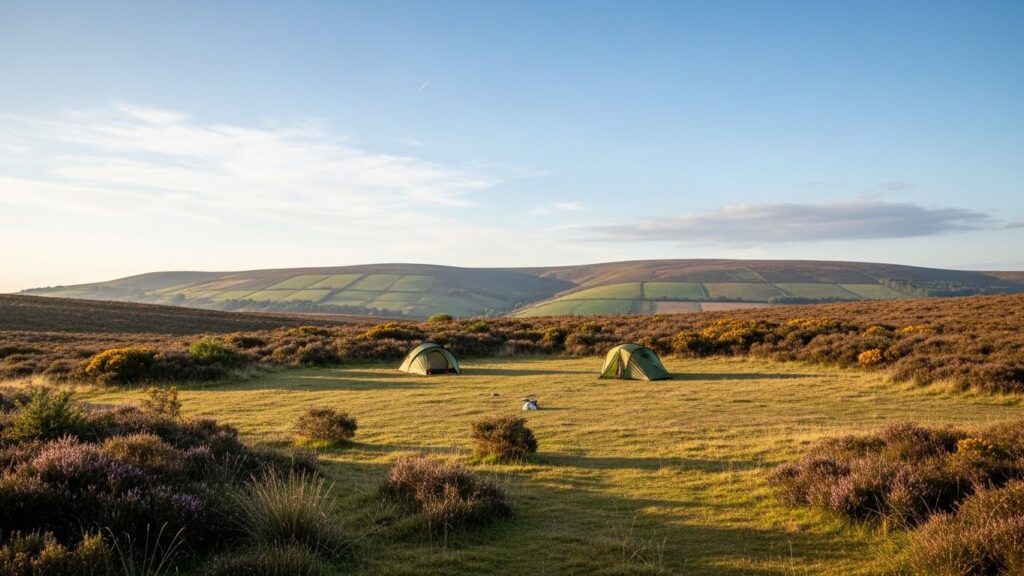
Look for open areas without too much vegetation. These places, which are frequently flat, will provide plenty of room to erect your tent.
Avoid crowded areas
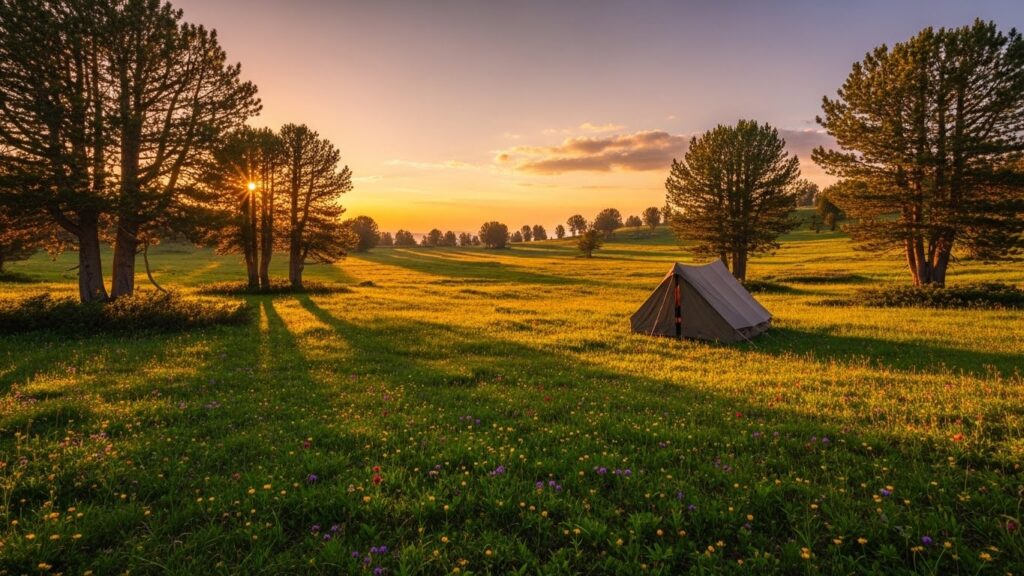
Avoid regions congested with other campers if you’re looking for space. Find locations that are difficult to reach or that need some hiking.
Check for obstacles
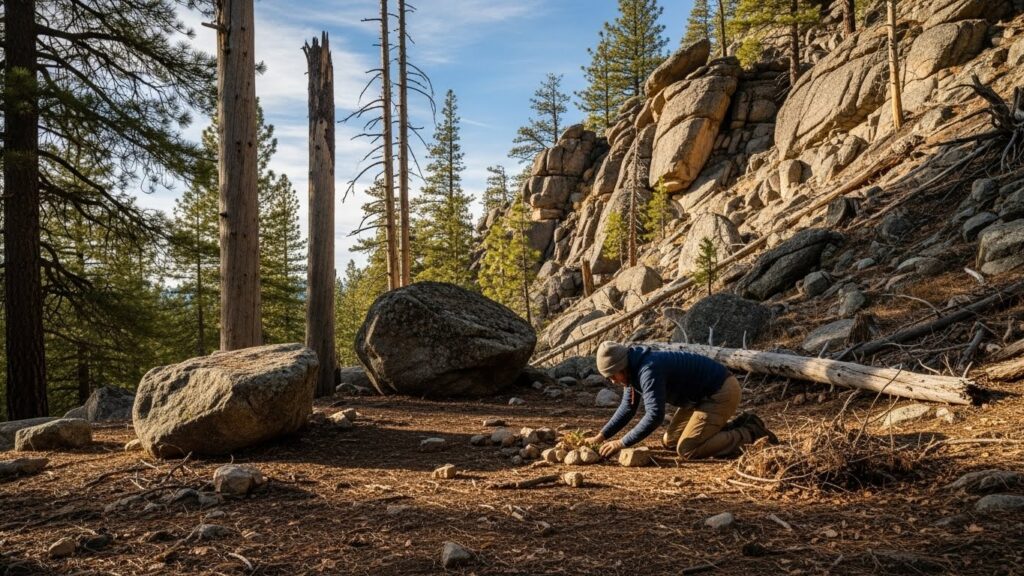
Check for any obstructions where you want to pitch your tent. Large rocks, downed trees, or even a sloped surface may come under this category.
Consider the ground
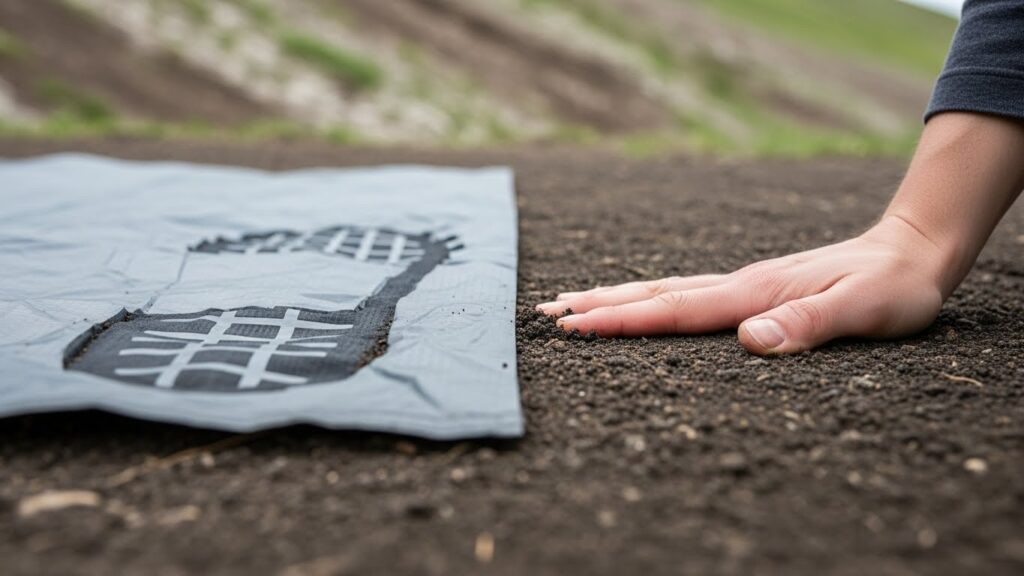
The ground should be relatively flat and firm enough to support your tent. Avoid areas that are too rocky or sloping, as they can be uncomfortable to sleep on.
Look for a water source.
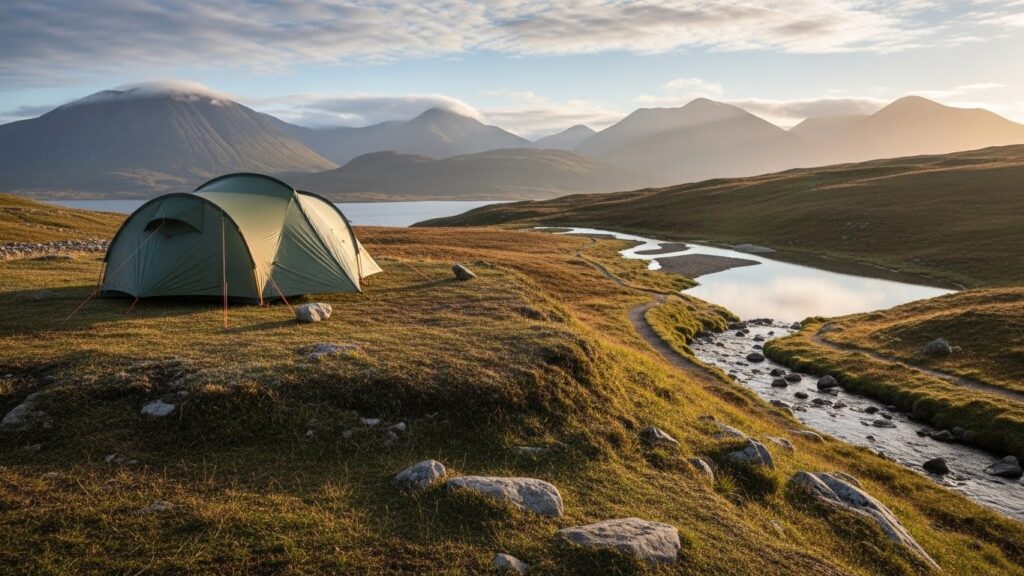
While setting up camp near a water source is vital, keep your tent a safe distance away to avoid flooding or other issues.
Conclusion
Finding a good wild camping spot requires careful planning and preparation. Doing your homework and understanding the area’s laws and ordinances is crucial. Additionally, it is essential to leave no trace and practice responsible camping to ensure that the natural environment remains preserved for future generations. You can have a profitable and pleasurable camping trip outdoors by following these suggestions and practising backcountry courtesy.


